


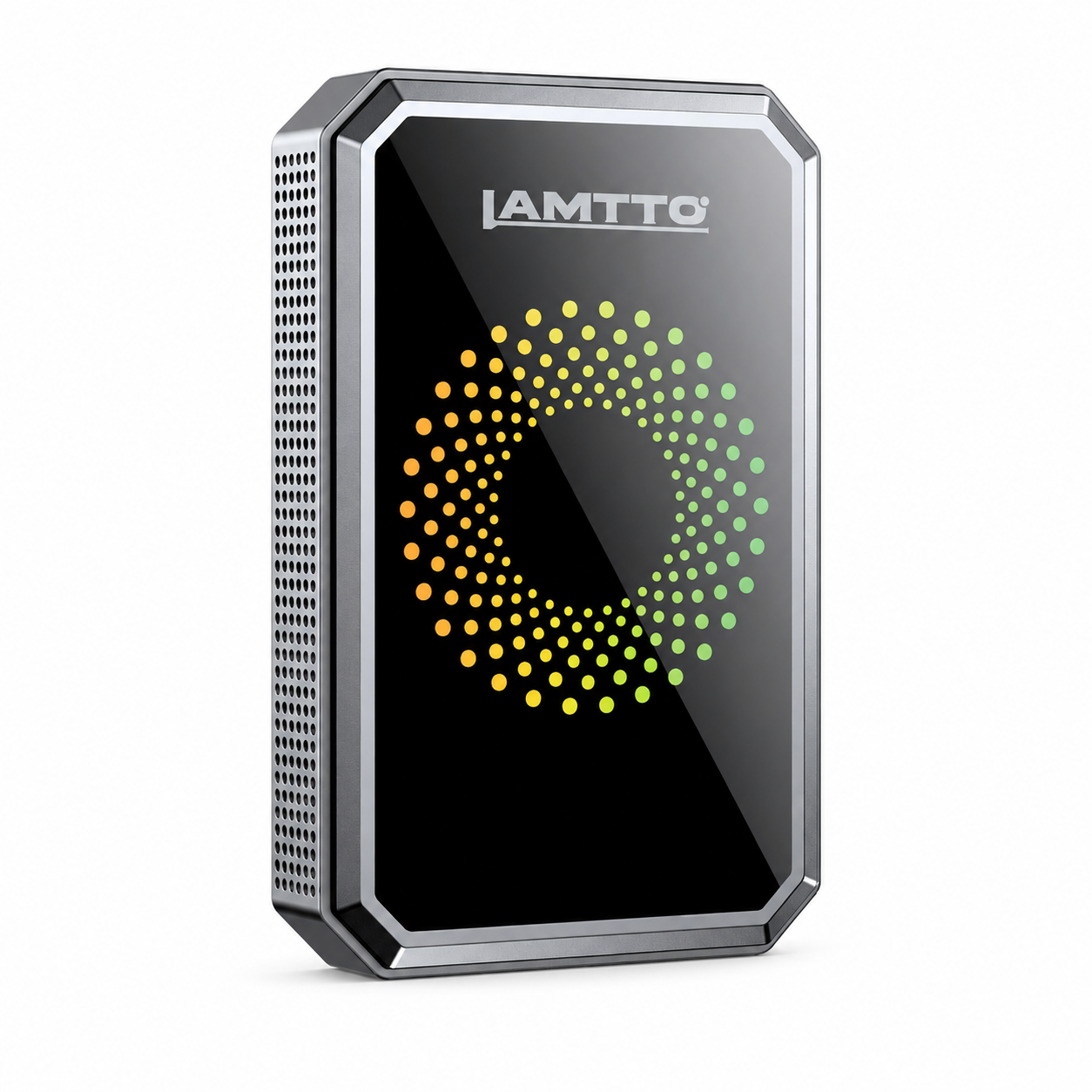


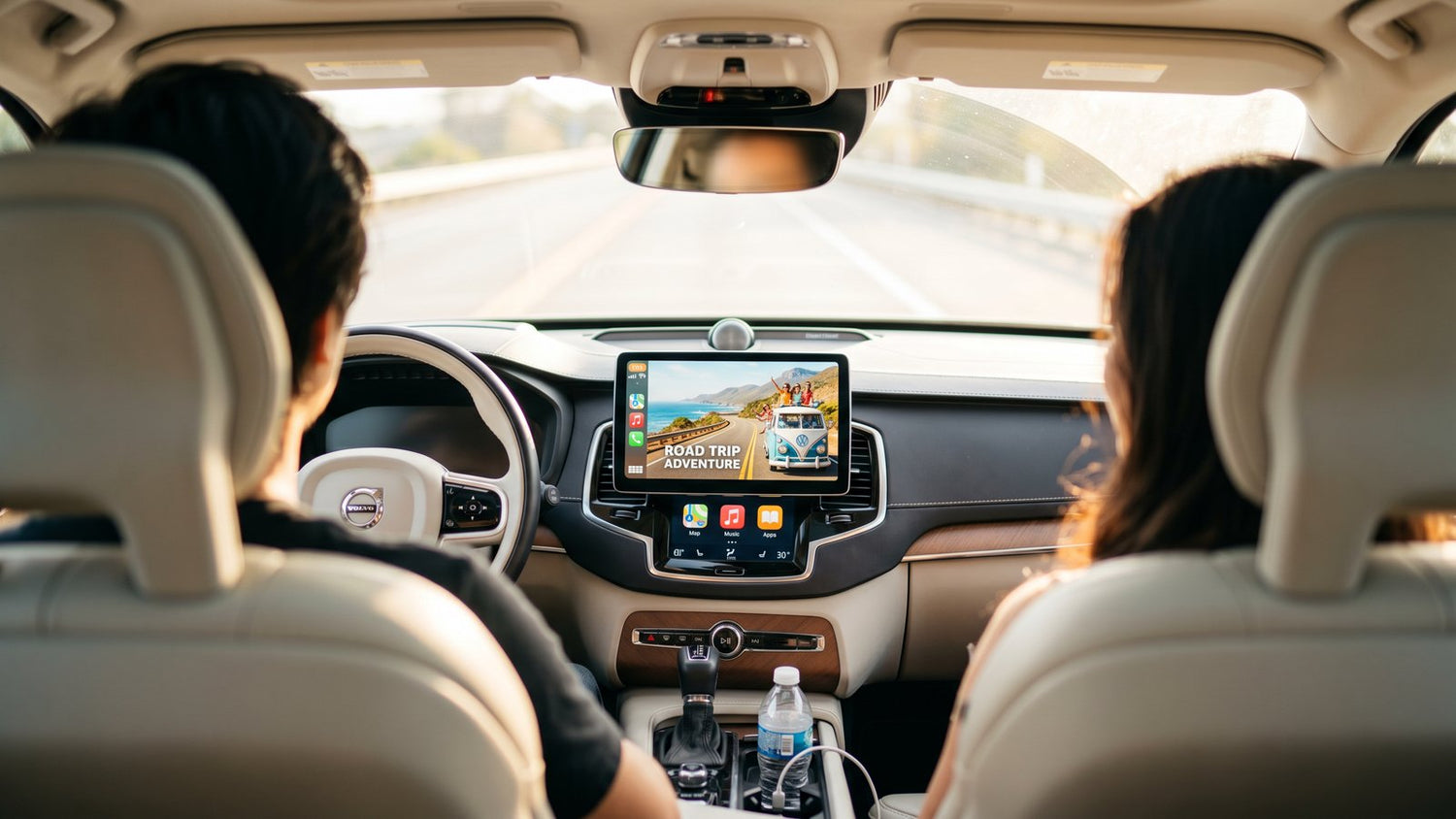
For years, drivers have relied on Apple CarPlay and Android Auto Screen to bring smartphone apps into their vehicles.
Navigation, music streaming, calls, and messaging became safer and easier through dashboard displays.
But in 2026, a new category is starting to emerge: AI CarPlay Screens
Unlike traditional portable car screens that mainly mirror a smartphone, these newer devices are beginning to integrate AI assistants, app ecosystems, and more advanced software experiences directly into the display itself.
So what exactly makes an AI CarPlay screen different? And does AI actually improve the driving experience? Let's take a closer look.

Why AI Is Becoming Part of the Driving Experience
Artificial intelligence is rapidly expanding into everyday products.
Smartphones, laptops, home devices, and even search engines are increasingly powered by AI assistants.
The automotive industry is following the same trend.
Major technology companies are investing heavily in AI-powered in-car experiences that allow drivers to interact with navigation, media, and information using natural conversation instead of traditional commands.
Rather than simply displaying apps, future dashboard systems are expected to become more intelligent and context-aware.
This shift is one reason why the term "AI CarPlay Screen" has started appearing more frequently among automotive technology discussions.
What Is a Traditional Smart Car Screen?
Most portable car displays available today already provide useful functionality.
Common features include:
- Wireless CarPlay
- Wireless Android Auto
- Bluetooth audio
- GPS navigation
- Music streaming
- Touchscreen controls
These systems work well because they extend smartphone functionality to older vehicles without requiring a full head-unit replacement.
For many drivers, this setup remains more than sufficient.
However, traditional smart screens generally depend heavily on a connected smartphone and offer limited intelligence beyond launching apps and displaying information.

What Makes an AI Car Screen Different?
The biggest difference is not the hardware.
It's the software experience.
AI-powered car screens are beginning to integrate intelligent assistants capable of understanding more natural language and providing context-aware responses.
Instead of saying:
"Navigate to Starbucks."
A driver might ask:
"Find a coffee shop with good reviews along my route."
The system can then interpret the request based on context rather than relying on a specific keyword.
This conversational interaction represents one of the key differences between traditional voice assistants and emerging AI-powered systems.

AI Car Screen vs Traditional Smart Car Screen
| Feature | Traditional Smart Screen | AI Car Screen |
|---|---|---|
| Wireless CarPlay | ✓ | ✓ |
| Wireless Android Auto | ✓ | ✓ |
| Navigation | ✓ | ✓ |
| Bluetooth Audio | ✓ | ✓ |
| Voice Commands | Basic | More Conversational |
| App Ecosystem | Limited | Often Expanded |
| Context-Aware Assistance | No | Yes |
| Personalized Suggestions | Rare | Increasingly Available |
| Software Flexibility | Moderate | Higher Potential |
While both categories provide similar core functionality, AI-powered systems aim to make interactions more natural and efficient.
Why Google Play Access Is Becoming More Important
One trend often seen in newer smart displays is the inclusion of app ecosystems.
Rather than relying entirely on a smartphone connection, some displays allow drivers to install applications directly on the device.
Examples may include:
- Navigation apps
- Music services
- Podcast platforms
- Video apps (for parked use)
- Productivity tools
This creates a more independent experience that feels closer to using a tablet rather than simply mirroring a phone.
As dashboard screens become more capable, access to broader software ecosystems is becoming an increasingly important consideration.

How AI Could Change Road Trips
Road trips highlight some of the potential advantages of AI-powered displays.
Drivers often need to:
- Find fuel stations
- Locate restaurants
- Adjust routes
- Play music
- Check weather conditions
- Search for attractions
Traditional systems can already perform many of these tasks.
The difference is that AI aims to reduce the number of steps required.
Instead of opening multiple apps and manually entering information, drivers can increasingly rely on conversational requests to complete tasks more quickly.
Whether this becomes a major advantage depends on individual driving habits, but it represents one of the most interesting developments in automotive technology.

Are AI Car Screens Worth It in 2026?
The answer depends on how you use your vehicle.
A traditional wireless CarPlay screen may be sufficient if you primarily:
- Use Google Maps
- Listen to Spotify
- Make phone calls
- Commute daily
An AI-powered display may be more appealing if you:
- Take frequent road trips
- Prefer voice interactions
- Want access to additional applications
- Enjoy exploring new technology
- Use multiple services while traveling
For many drivers, the decision is less about AI itself and more about the overall software experience.
One Example of the New AI Car Screen Category
As AI continues moving into automotive technology, a growing number of dashboard displays are beginning to combine traditional smartphone connectivity with AI-oriented features.
One example is the RC32 AI dashboard display.
Rather than focusing solely on phone mirroring, it combines:
- Wireless CarPlay
- Wireless Android Auto
- Google Play access
- Built-in GPS
- Split-screen functionality
- Gemini-compatible AI features
Products like this illustrate how portable car screens are evolving beyond simple smartphone extensions and moving toward more independent software platforms.

Final Thoughts
The next generation of dashboard displays may be defined less by screen size and more by software intelligence.
Traditional smart car screens remain highly practical and continue to meet the needs of millions of drivers.
However, AI-powered displays are introducing new possibilities through:
- Conversational voice interaction
- Expanded app ecosystems
- More flexible navigation experiences
- Improved multitasking
Whether AI becomes an essential part of driving remains to be seen.
What is clear is that dashboard technology is evolving quickly, and AI CarPlay screens are becoming an increasingly important category to watch in 2026.


Laat een reactie achter
Alle reacties worden gemodereerd voordat ze worden gepubliceerd.
Deze site wordt beschermd door hCaptcha en het privacybeleid en de servicevoorwaarden van hCaptcha zijn van toepassing.