




You've read the comparisons. You understand the difference between WiFi and 4G LTE. But here's the thing — spec sheets don't hit the same as stories.
So here are five real situations where a 4G LTE dash cam makes the difference between "I've got this handled" and "I wish I'd known."

The Parking Lot Hit-and-Run
Your car is in the company parking lot. Someone backs out of the space next to yours, misjudges the distance, and clips your rear bumper. They stop for three seconds, look around, and drive off.
You walk to your car at 5:30 PM. You see the damage. You check the dash cam — but the impact was hours ago, and your 64GB card has already looped over that clip during your morning commute. No evidence. Insurance claim? Better hope your deductible is low.
At 1:47 PM, your phone buzzes. "Collision detected — DC22." You excuse yourself from the meeting, open the UBOXPro app, and see the clip. It auto-uploaded to the cloud. You have the other car's plate number, the timestamp, and the video. You file the police report before you even leave the office.
Vacation Mode — 3,000 Miles From Your Car
Your car is parked at the airport long-term lot. You've seen the news about catalytic converter thefts. You've heard stories about cars getting broken into at airport parking. But what can you do?

Nothing. Absolutely nothing. You'll find out when you get back. If you get back. The camera is an island with no connection to the outside world.
You open the app from your hotel in Paris. Live view shows your car is fine. GPS confirms it hasn't moved. If the radar detects motion near the vehicle, you get an instant alert. If someone tries the door handle, you know immediately — and you can speak through the two-way audio: "You're being recorded. The footage is in the cloud."
The Teenage Driver
They're borrowing the car for the first time. You said "be careful." They said "I will." But you've been 17. You know how this goes.

You sit at home, refreshing your mental timeline of when they should arrive. Did they make it? Did they drive safely? The dash cam is recording, but you won't see the footage unless they get home and you physically pull the card.
Live GPS shows the car's location in real time. You can see they arrived safely at their destination. You can check the speed and route later if needed. The interior camera gives parents optional peace of mind without being invasive — just knowing the car is where it should be.
Rideshare / Delivery Driver Protection
A passenger gets in, acts fine the whole ride, and leaves. Later, you notice they damaged the seat or left a mess. Or worse — a passenger files a false complaint about your driving.
You have the exterior footage. Maybe. The interior camera, if you have one, recorded to the SD card. But you drove eight more trips that day, and the loop recording has cycled through. The evidence is gone.
The dual-camera system captures both road and cabin. Cloud backup means the clip won't be overwritten no matter how many trips you take. If a passenger disputes something, you pull the cloud clip and you're covered.
The Overnight Break-In Attempt
Someone walks up the street, testing car door handles. Your car is locked, but they don't know that. They try your driver's side door.

It records the attempt — motion-triggered parking mode kicks in. But the footage stays on the SD card. You wake up at 7 AM, check your car, see nothing out of place, and go about your day. The would-be thief visited six other houses that night; you never knew.
At 3:22 AM, motion detection triggers the camera. A push notification hits your phone. You wake up, open the app, and see the live view. You activate two-way audio: "Step away from the vehicle. Police are being notified." The clip is already safely in the cloud.
Why These Scenarios Matter
Each of these situations shares a common thread: time.
A WiFi dash cam captures information. But that information is only valuable if you can access it in time to act. A dent discovered four hours later is just a dent. A dent alerted to you in real time is evidence, insurance leverage, and sometimes even a deterrent.
The monthly data plan cost for a 4G LTE dash cam — roughly $0.44/day — is less than what you'd pay for a coffee. One avoided deductible payment covers years of service.
What to Look for in a 4G LTE Dash Cam
If you're ready to upgrade to always-on protection, here's your checklist:
| ✅ Feature | Why It Matters |
|---|---|
| Dual cameras (front + interior) | Exterior-only misses the full story |
| Radar or G-sensor parking detection | Lower power consumption, faster alerts |
| Cloud auto-backup | Don't rely on an SD card that can be stolen or overwritten |
| Two-way audio | Turns the camera from a witness into a deterrent |
| GPS tracking | Location history and real-time position |
| OBD-II power | Cleaner installation, built-in voltage protection |
| Transparent data pricing | No hidden fees, reasonable monthly cost |
In the end, the difference comes down to how you actually use your dash cam.
For some drivers, a basic WiFi model is enough for reviewing footage after a trip. But for people who regularly park outside, leave their car unattended for long periods, or simply want to stay connected to their vehicle while away, 4G LTE offers a different kind of convenience and peace of mind.
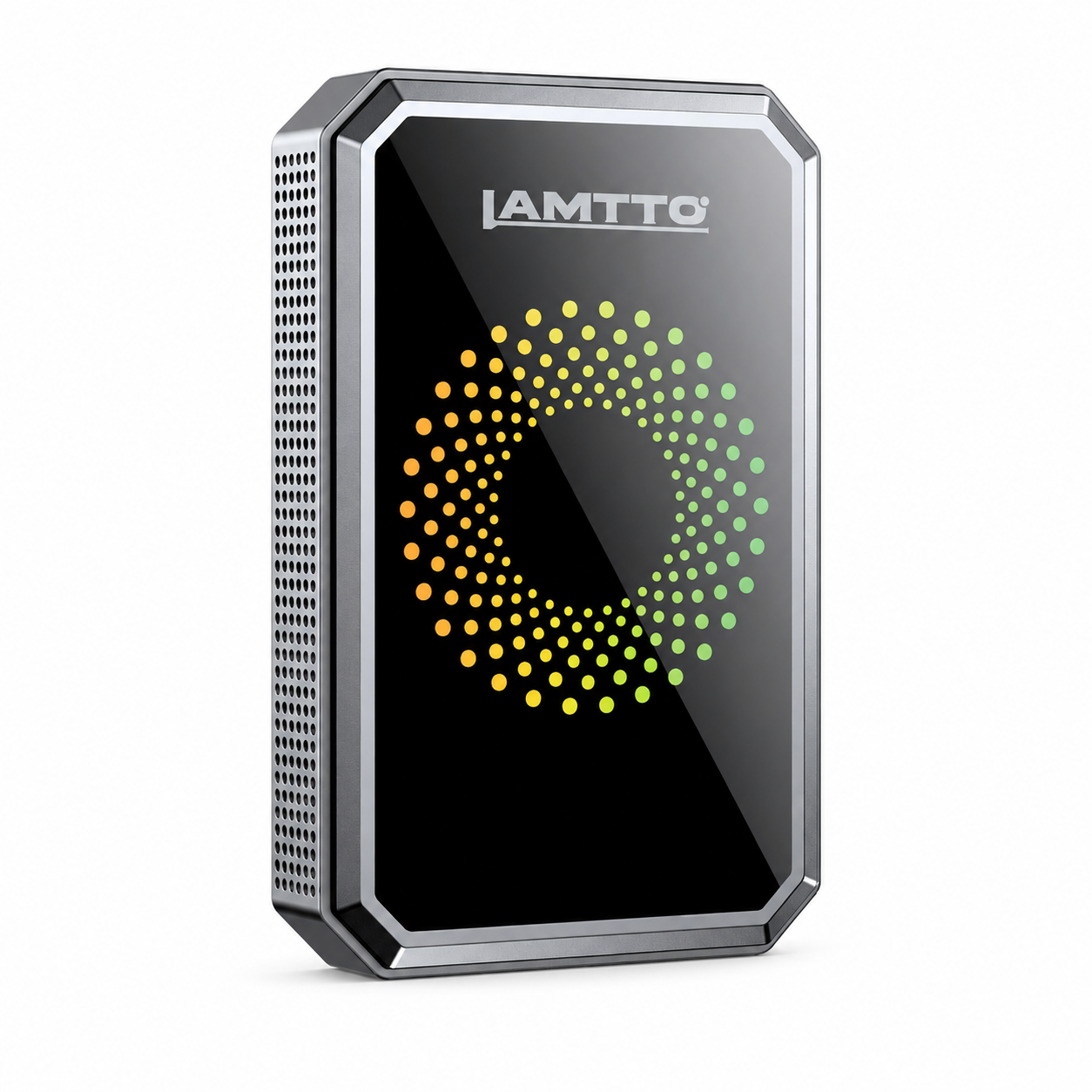
For drivers who prefer that kind of always-connected setup, models like the LAMTTO DC22 combine features such as remote access, parking alerts, GPS tracking, and cloud-based monitoring into a more connected dash cam experience.


Leave a comment
All comments are moderated before being published.
This site is protected by hCaptcha and the hCaptcha Privacy Policy and Terms of Service apply.