




You typed "wireless dash cam" into Amazon. You wanted a camera that lets you check on your car from your office, your couch, or another state.
But every result you clicked says it has "WiFi." And after some digging, you realized: that WiFi only works when you're standing next to the car. That's not wireless. That's just cordless video download.
Here's what "wireless" actually means in the dash cam world — and why what you really wanted is something called 4G LTE.
What Most "Wireless Dash Cams" Actually Are
When you search "wireless dash cam" on Amazon, with over 88,000 monthly searches in the U.S. alone, here's what you'll find:
| Feature | What They Claim | What They Actually Do |
|---|---|---|
| "Wireless" | No wires, remote access | WiFi for local video download only |
| WiFi Range | Sounds like anywhere | ~30 feet from the car |
| Remote View | Implied by "wireless" | Only works in your driveway |
| Live Alerts | Often not mentioned | Typically none |
These are WiFi dash cams, not wireless dash cams in any meaningful sense. The WiFi is there so you can pull videos to your phone without removing the SD card — a nice convenience, but it doesn't give you remote access to your vehicle.
🔍 Fun fact: Our research shows that consumers who search for "wireless dash cam" actually want remote live-view capability. They're just using the wrong search term because the industry hasn't educated them on the difference.

Two Kinds of "Wireless" — And Why They're Worlds Apart
Think of it like the iPad story:
| WiFi-Only iPad | Cellular iPad | |
|---|---|---|
| Works at home | ✅ | ✅ |
| Works at a coffee shop | ❌ (needs public WiFi) | ✅ |
| Works on a road trip | ❌ | ✅ |
| Price difference | Cheaper | +$130–150 |
WiFi dash cams are the "WiFi-only iPad" of car cameras. They work great in the garage — and nowhere else.
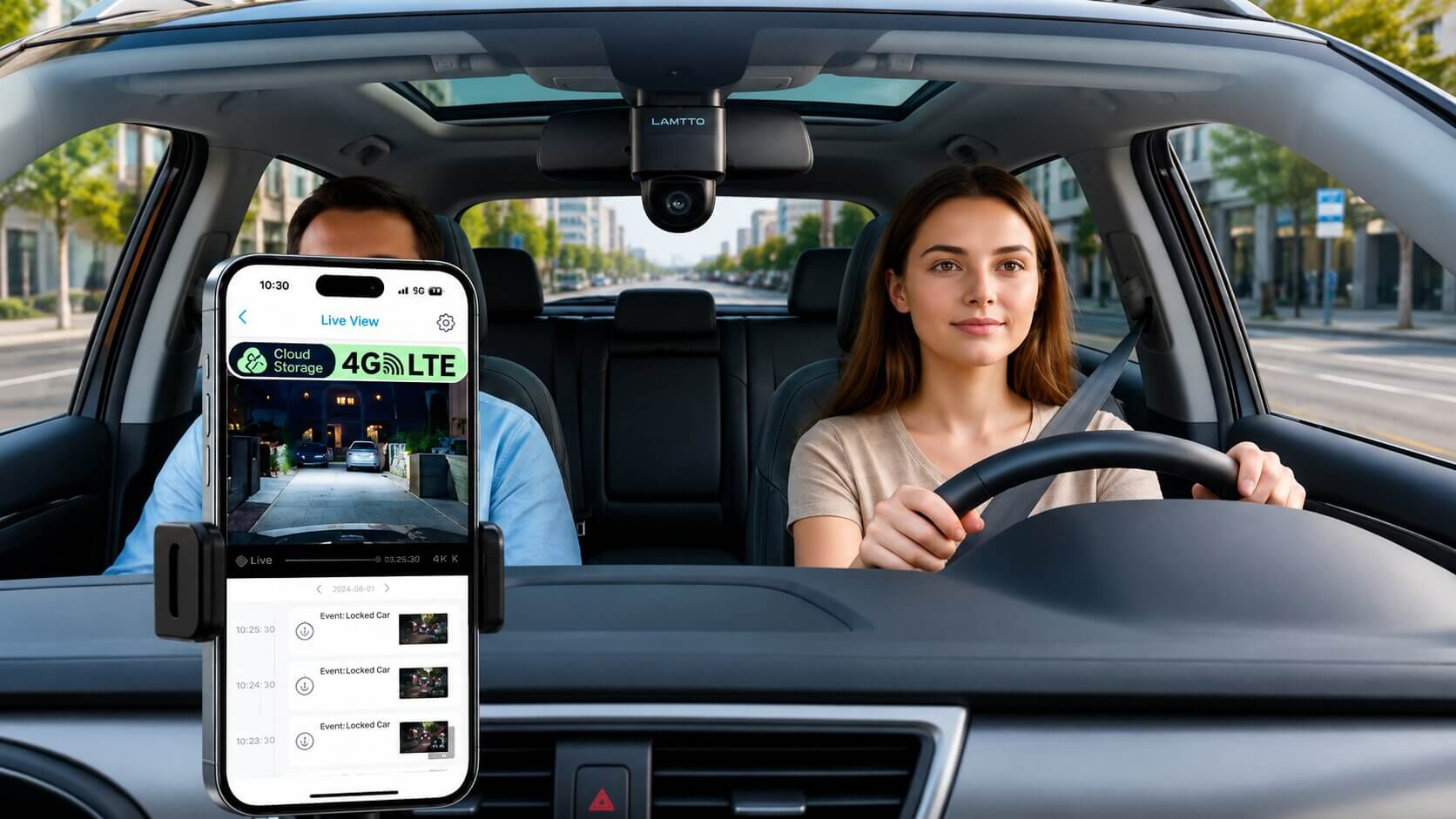
A 4G LTE dash cam is the cellular iPad. It has its own data connection, so it's always online. You can check your car from anywhere in the world.

How a 4G LTE Dash Cam Actually Works
Instead of short-range WiFi, a 4G LTE dash cam (also called a cellular dash cam) uses a built-in SIM card and mobile data — exactly like your phone.
✅ Live View, Anywhere
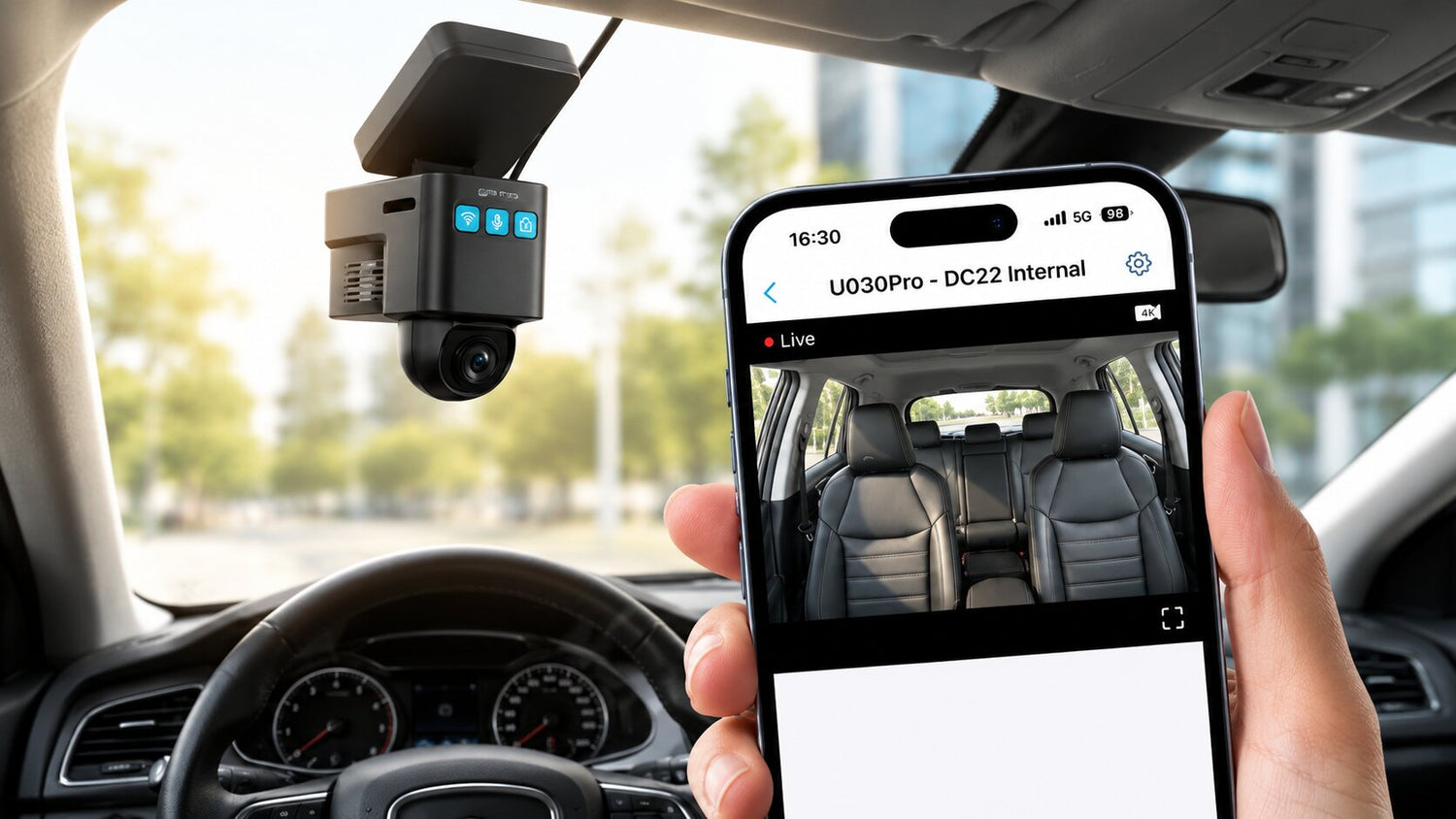
Open an app on your phone and see what your car's camera sees — in real time. Whether you're 50 miles away in the office or 5,000 miles away on vacation.
✅ Real-Time Crash Alerts
When the built-in G-sensor or radar detects a collision or suspicious motion, the camera immediately:
- Starts recording
- Sends a push notification to your phone
- Auto-uploads the clip to the cloud
You can then open the app, see what happened, and even speak through the camera's two-way audio.
✅ GPS Tracking
See exactly where your car is right now — and where it's been. Useful for:
- Parents monitoring teen drivers
- Fleet managers tracking delivery vehicles
- Anyone who's ever forgotten where they parked at the airport
✅ 24/7 Parking Monitoring (Without Killing Your Battery)
Most 4G LTE dash cams use OBD-II power, which draws minimal current and has built-in voltage protection. If the car battery drops below a safe threshold, the camera shuts off automatically. No dead battery surprises.

When WiFi Dash Cams Fall Short
To be fair, WiFi dash cams have their place. They're cheaper, simpler, and fine for basic accident recording.
But here are real situations where they fail:
| Situation | WiFi Dash Cam | 4G LTE Dash Cam |
|---|---|---|
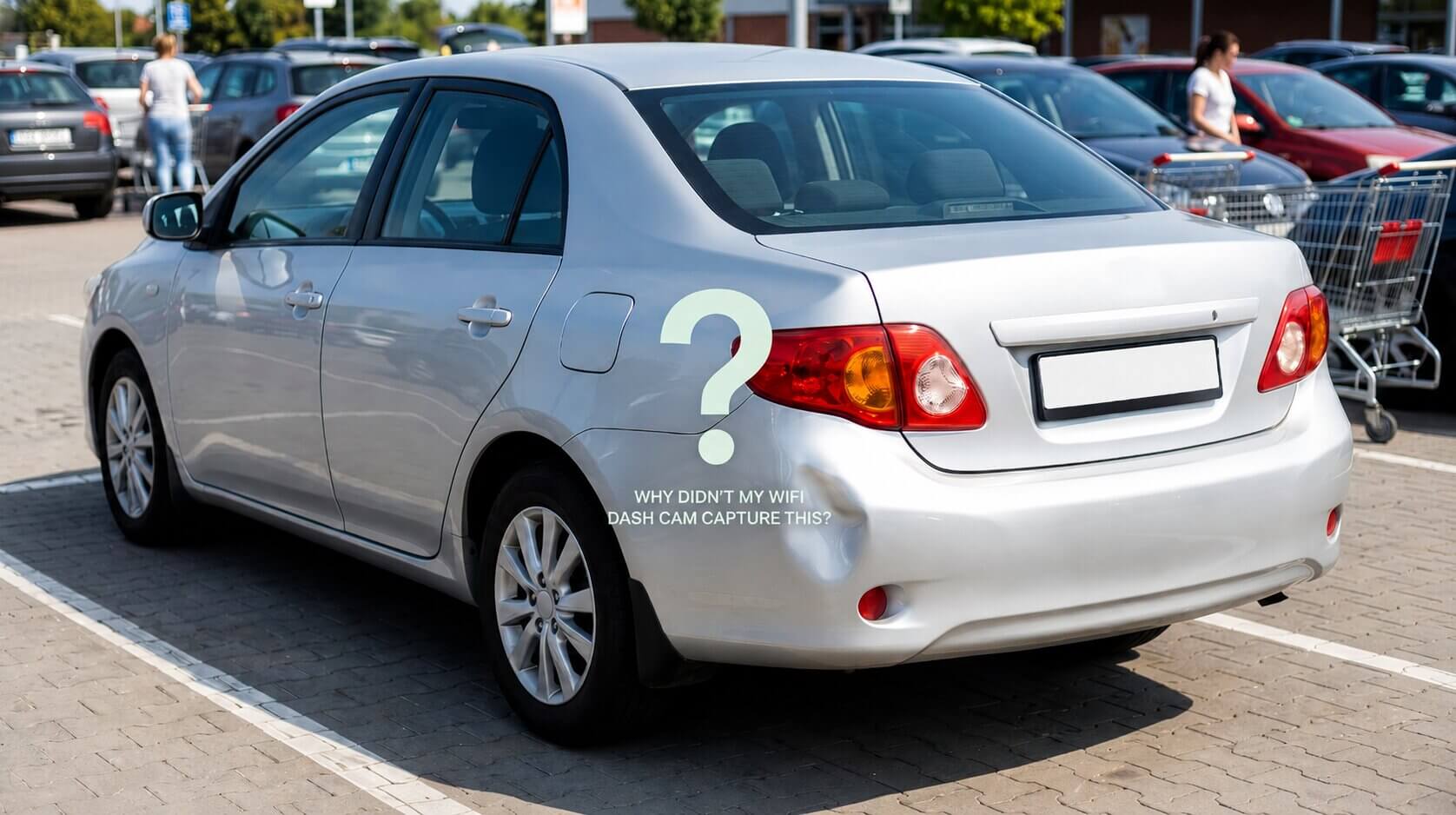
| Someone hits your parked car at a mall | You find out hours later — if you're lucky | Instant push alert + cloud clip |
| You're on a 2-week trip overseas | Zero access to the car | Live view anytime |
| Your teenager borrowed the car | No idea where they are | Live GPS tracking |
| Rideshare passenger damages interior | Footage on SD card, hope it wasn't overwritten | Cloud backup + instant review |
| Police need evidence after an incident | Hope the card wasn't stolen/damaged | Footage already in the cloud |
The gap isn't about video quality. It's about time — how fast you know something happened and how fast you can respond.
What Should You Actually Buy?
Get a WiFi Dash Cam If:
- You only need basic accident recording
- You're on a tight budget ($25–70)
- You don't leave your car in public places often
- "Pull the SD card to view footage" doesn't bother you
Get a 4G LTE Dash Cam If:
- You want to check your car when you're away from it
- You've ever worried about parking lot hit-and-runs
- You share the car with family members
- You'd pay a small monthly fee for peace of mind
- You want real-time alerts, not "find out later"
In reality, both WiFi and 4G LTE dash cams have their place — it really depends on what kind of access and protection you're expecting from your setup.
If you only need to review recordings after a drive, a traditional WiFi dash cam may already cover the basics. But for drivers who want to check on their vehicle remotely, receive alerts while parked, or stay connected to their car when away from it, a 4G LTE connection adds a very different layer of functionality.
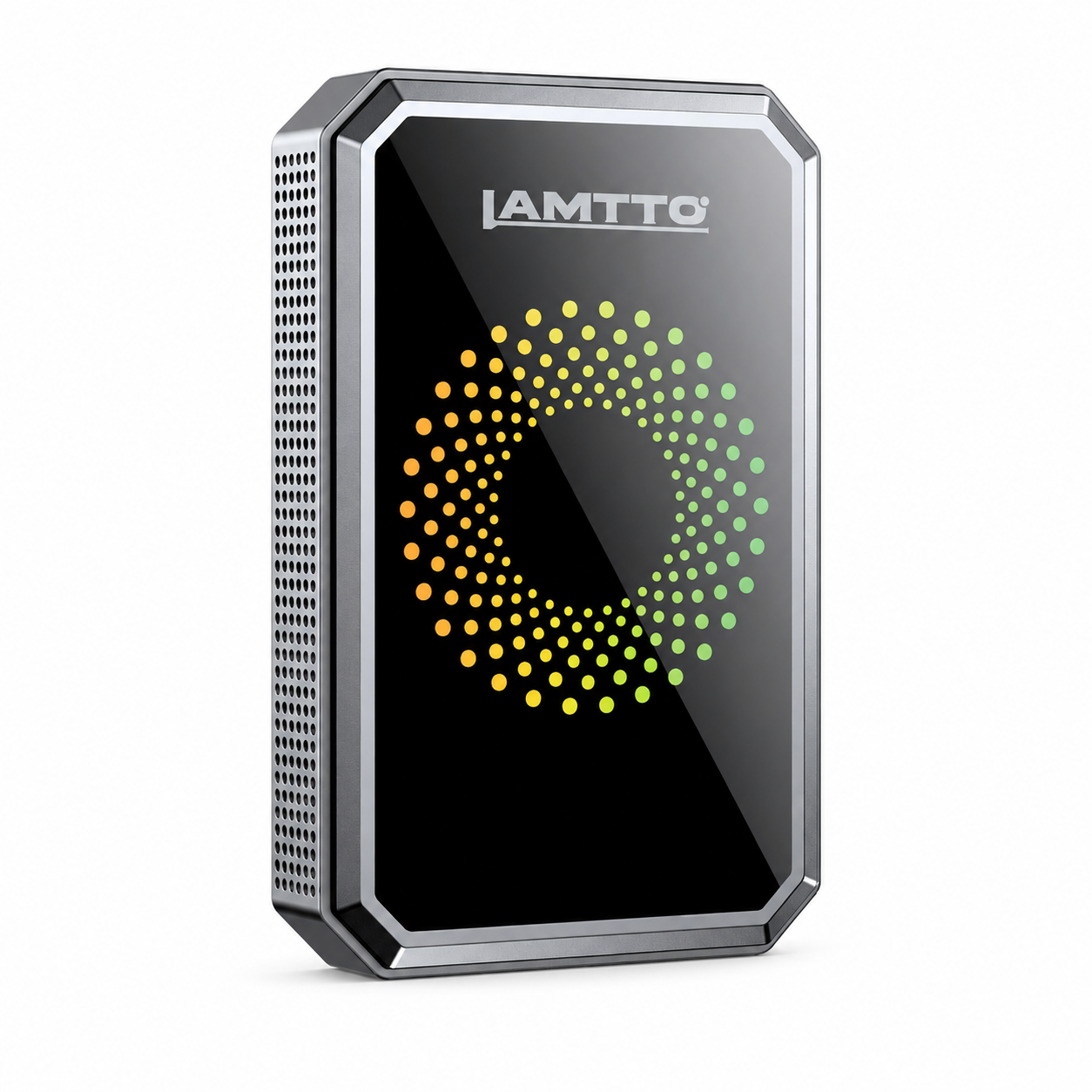
That’s why some drivers are moving toward cellular-connected models like the LAMTTO DC22, which combines features such as remote viewing, parking alerts, GPS tracking, cloud storage, and two-way communication into a more connected driving experience.

Leave a comment
All comments are moderated before being published.
This site is protected by hCaptcha and the hCaptcha Privacy Policy and Terms of Service apply.