





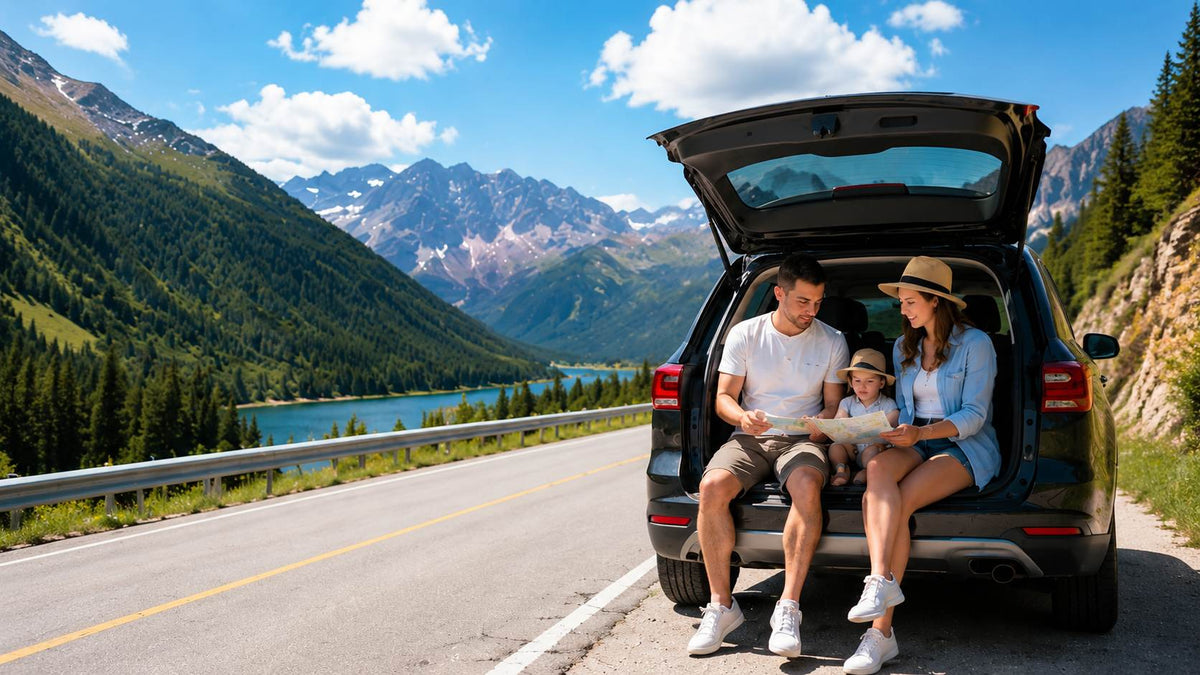
For new parents, driving with a baby is a completely different experience.
A short trip to the grocery store can require careful planning. A longer road trip brings even more questions:
- Is the car seat installed correctly?
- Is my baby comfortable?
- How often should we stop?
- Can I check on my baby without turning around?
Unlike driving alone, traveling with an infant means balancing safety, comfort, and peace of mind for everyone in the vehicle.
The good news is that with the right preparation, every journey can become easier and more predictable.
Here are some practical tips every parent should know before hitting the road with a baby.
1. Choose and Install the Right Rear-Facing Car Seat
The first priority when traveling with a baby is always proper car seat safety.
For infants and young children, rear-facing car seats are widely recommended because they provide better protection for a baby's head, neck, and spine during sudden stops or collisions.
Before every trip, parents should check:
Secure Installation
Make sure:
- The car seat does not move more than one inch side-to-side
- Harness straps are positioned correctly
- The chest clip is placed at the baby's armpit level
- The seat angle follows the manufacturer's instructions
Proper Clothing
Avoid placing babies in bulky coats or thick jackets under the harness because extra padding can reduce how securely the straps fit.
Instead, adjust the harness directly against the baby's clothing and use blankets over the harness if needed.
A few minutes spent checking the car seat before leaving can make a significant difference.

2. Use a Baby Mirror to Improve Visibility
Rear-facing car seats are safer for infants, but they also create one common challenge:
Parents cannot easily see their baby while driving.
Many families install a baby mirror on the rear seat headrest to provide a quick visual check.
A good baby mirror can help parents see:
- Whether the baby is sleeping comfortably
- Whether the pacifier has fallen out
- Whether the baby appears restless
- Whether blankets or toys have moved
However, parents should avoid constantly looking back while driving.
A mirror should be used for quick checks only, not as a replacement for focusing on the road.
3. Keep the Right Temperature Inside the Vehicle
Babies are more sensitive to temperature changes than adults.
A comfortable cabin environment can make a big difference during longer drives.
Parents should consider:
Avoid Direct Sun Exposure
Use window shades or adjust seating positions to prevent direct sunlight from reaching the baby.
Check Baby's Comfort
Instead of judging temperature only by your own comfort, check:
- Baby's neck
- Back
- Hands and feet
Cold hands do not always mean a baby is cold, while a warm neck or sweaty back may indicate overheating.
Prepare Layers
Bring extra blankets or clothing layers so you can adjust quickly when weather changes.

4. Plan Regular Breaks During Longer Trips
Long drives can be challenging for babies because they spend extended periods in the same position.
For longer journeys, parents should plan regular stops to:
- Feed the baby
- Change diapers
- Stretch and move around
- Allow everyone to rest
A planned break is usually better than waiting until the baby becomes uncomfortable.
Road trips are not only about reaching the destination — the journey itself should be comfortable for the entire family.
5. Plan Feeding Before You Leave
One of the biggest challenges for parents on the road is managing feeding schedules.
Before starting a trip:
- Feed your baby before departure when possible
- Pack enough supplies for unexpected delays
- Prepare bottles, formula, or snacks in advance
- Know where safe stopping locations are along the route
Avoid trying to handle feeding while the vehicle is moving.
Stopping safely allows parents to focus completely on their baby.
6. Help Your Baby Sleep Comfortably
Many babies naturally fall asleep during car rides because of the movement and sounds of the vehicle.
Parents can make the environment more comfortable by:
- Keeping the cabin temperature stable
- Maintaining a calm atmosphere
- Avoiding excessive noise
- Planning longer drives around nap schedules when possible
However, even when a baby is sleeping peacefully, parents should continue monitoring overall comfort and safety.

7. Consider a Live Rear-Seat Camera for Additional Visibility
Traditional baby mirrors have been popular for years because they provide a simple way to check on children in the back seat.
However, some parents now choose a live rear-seat camera system as an additional option.
Unlike a mirror, a camera can provide a clearer view of the back seat without requiring parents to rely on reflections or adjust their viewing angle.
For families who frequently travel with children, a live camera can make it easier to quickly check:
- Whether your baby is sleeping
- Whether your child needs attention
- Whether something has changed in the rear seat
The LAMTTO RC38 Baby Monitor Camera for Cars allows parents to view the rear seat directly through the vehicle display with a live 1080P camera, helping provide better visibility while keeping attention focused forward.
(Note: Rear-seat monitoring should always support safe driving practices and should never replace proper attention to the road.)
8. Keep Safety as the First Priority
The most important rule when driving with babies is simple:
The driver should always focus on driving.
Avoid:
- Turning around frequently
- Reaching into the back seat while moving
- Trying to solve problems while the vehicle is in motion
If your baby needs attention, find a safe location to stop.
A comfortable baby, a prepared parent, and a focused driver create the safest environment for every journey.
Final Thoughts
Traveling with a baby does not have to feel stressful.
With proper preparation — from choosing the right car seat to planning breaks and maintaining comfort — families can enjoy safer and more enjoyable drives together.
Small improvements in preparation can make every trip easier, whether it is a quick daily commute or a long family road trip.


Leave a comment
All comments are moderated before being published.
This site is protected by hCaptcha and the hCaptcha Privacy Policy and Terms of Service apply.