


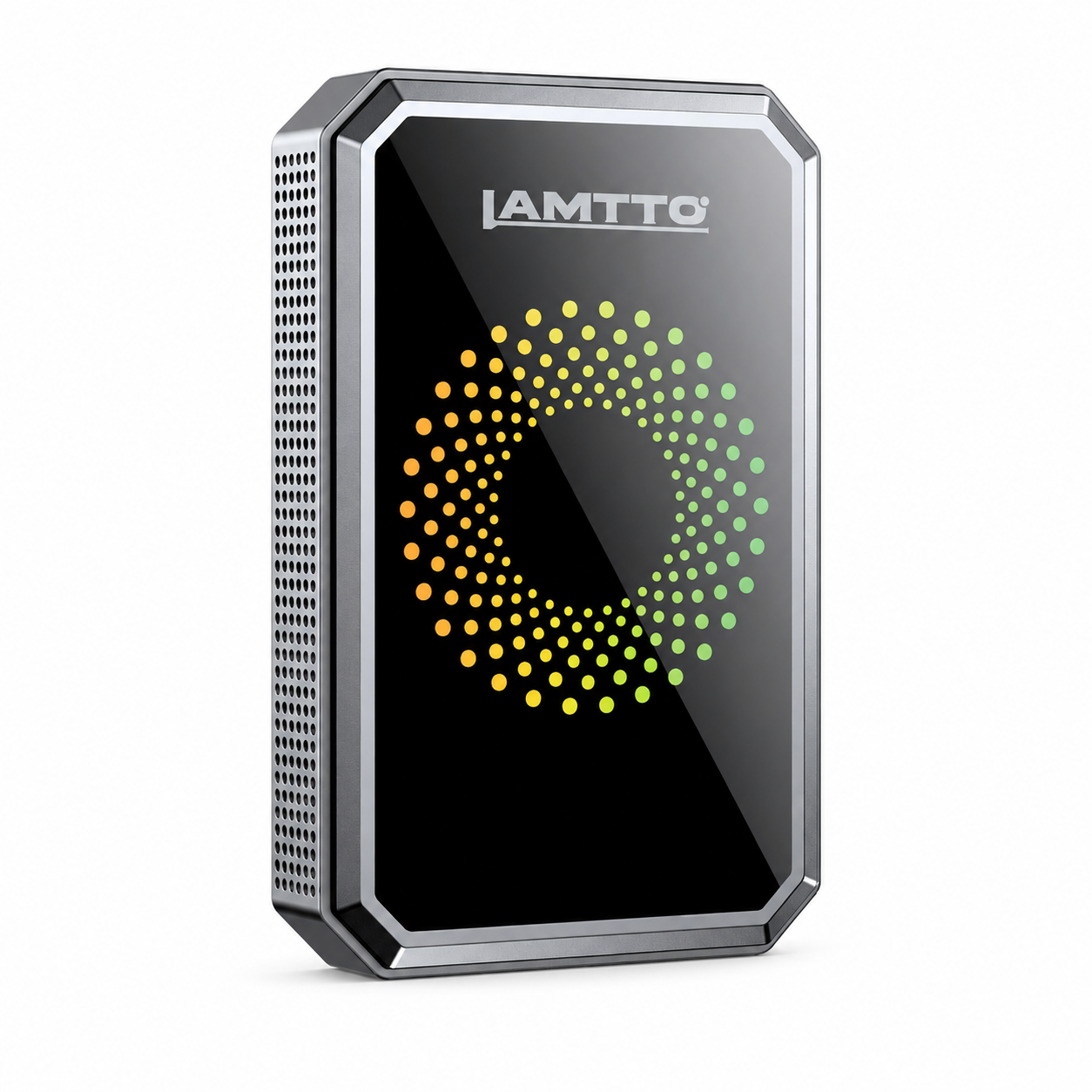


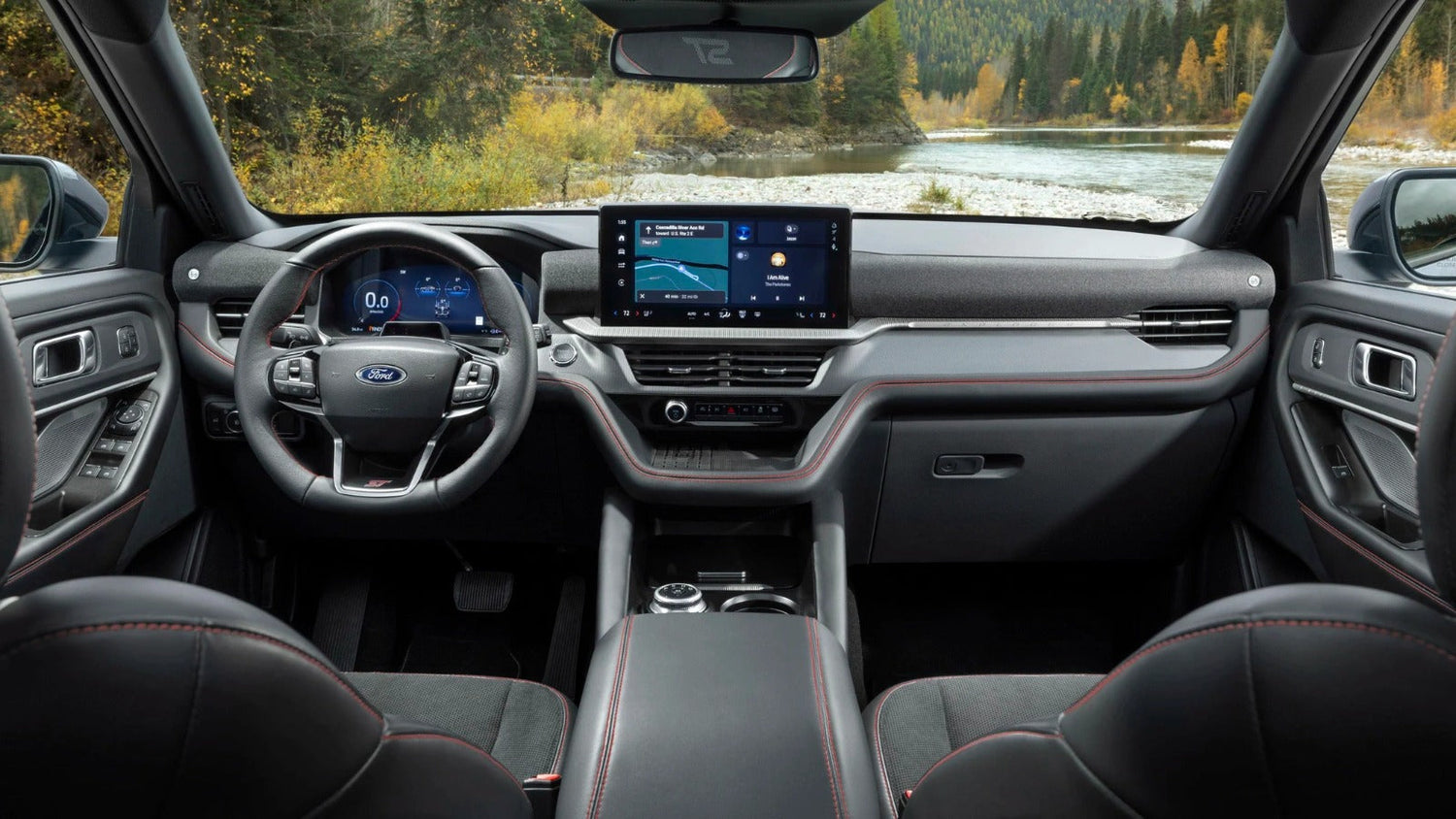
Recently, some users asked:
“When using RC23 3-in-1 Magic Video Carplay Box for Streaming Netflix/YouTube/TikTok, the video doesn’t feel as smooth as a wired connection. Sometimes there’s a slight delay. Is something wrong with the device?”
Let’s start with the answer
👉 No — this is NOT a product defect.
👉 It’s a natural limitation of wireless technology.
- In this guide, we’ll explain:
- Why wireless mirroring always has delay
- What’s considered normal
- How to improve performance
- Why 720p is more stable
- Whether RC23 has any issues
- Why Wireless Screen Mirroring Always Has Delay
First, we need to accept one fact
👉 Wireless transmission can never be truly “zero latency.” With a wired connection, data travels directly through a cable — fast and stable.
With wireless, the process looks like this:
Encode the video
Transmit via WiFi
Receive signal
Decode
Display on screen
Each step takes time. A simple analogy:
Wired = water flows directly through a pipe
Wireless = water is collected, transferred, then poured out
👉 That extra process = delay
RC23 uses dual-band WiFi (2.4GHz + 5GHz), which is already a mature and optimized solution — but it still cannot fully match wired speed.
WiFi vs Cable: What’s the Real Difference?
The core difference between wired and wireless CarPlay comes down to how data is transmitted.
With a wired connection, everything runs through a physical cable. The signal travels directly from your phone to the car system, which means the connection is extremely stable and the response is almost instant. That’s why wired CarPlay feels very smooth and “tight” when you interact with it.
Another advantage of wired CarPlay is consistency. It’s not affected by WiFi interference, signal strength, or surrounding devices. As long as the cable is connected, the performance remains stable. It also charges your phone at the same time, which is a practical benefit for long drives.
However, the downside is obvious — you need to plug and unplug your phone every time you get in and out of the car, and the cable can feel a bit inconvenient or cluttered over time.
Wireless CarPlay, like what RC23 offers, works differently. It relies on a combination of Bluetooth for initial pairing and WiFi for data transmission. This allows your phone to connect automatically when you enter the car, without needing to plug in a cable every time.
Beyond convenience, wireless also brings a more flexible and “smart” experience. Since the connection is handled through WiFi, the system can support a wider range of interactions with your phone, allowing you to access more apps and features without being restricted by a physical connection. This makes the overall experience feel closer to using a smart in-car system rather than just mirroring your phone.
The biggest advantage of wireless is convenience. Once set up, everything connects automatically, giving you a cleaner dashboard and a more seamless experience. For daily driving, this “get in and go” feeling is something many users quickly get used to.
That said, because the signal is transmitted through the air instead of a cable, it can be affected by factors like WiFi interference, distance, and your phone’s performance. This is also why a small amount of delay is expected in wireless setups.
In simple terms:
👉 Wired CarPlay focuses on maximum stability and responsiveness
👉 Wireless CarPlay focuses on convenience, flexibility, and a smarter experience
You’re essentially trading a perfectly stable connection for everyday convenience and expanded functionality — and for most users, that’s a worthwhile upgrade.
How Much Delay Is Normal?
This is where most confusion happens. Typical RC23 latency:
50–150 ms → Normal
<100 ms → Almost unnoticeable
200 ms+ → May feel laggy
In real-world use:
Navigation → smooth
Music → instant
Video streaming → slightly delayed but stable
Only when:
Playing racing games
Rapid UI interactions
…will you clearly notice delay.
✅ How to Reduce RC23 Delay (5 Practical Tips)
You can’t eliminate delay — but you can optimize it.
1. Use 5GHz WiFi
Faster speed
Lower latency
Less interference
2. Keep Phone Close to the Device
Less signal loss = smoother performance
3. Use a Stable Network
Weak hotspot = unstable playback
👉 Tip: Pre-download videos when possible
4. Close Background Apps
Free up your phone’s performance
5. Restart Devices Regularly
Helps clear cache and improve connection
Why 720p Is More Stable Than 1080p
Many users ask: “RC23 supports 4K decoding — why recommend 720p?”
Here’s the truth:
Higher resolution = more data = more stress on wireless transmission
Comparison:
720p → Smaller data → smoother playback
1080p / 4K → Larger data → higher chance of lag
RC23 prioritizes stability over raw resolution
That’s why many wireless systems default to 720p — even premium ones.
👉 Recommended reading: Why Is CarPlay Video Only 720p? Fix & Optimization Guide
Is RC23 Delay a Product Defect?
👉 No.
This is not a hardware issue.
It’s caused by:
Wireless transmission limits
CarPlay system design
Network environment
Even high-end brands behave the same way.
RC23 already uses:
✔ Dual-band WiFi
✔ Optimized transmission
✔ Low-latency processing
To minimize delay as much as possible.
Real User Experience: What You Should Expect
Most users experience:
Smooth navigation
Instant music playback
Slight video delay (normal)
For daily use, this delay is barely noticeable
Final Thoughts: It’s a Trade-Off
RC23 turns:
❌ Wired-only cars
➡️ Into
✔ Wireless, automatic, cable-free systems
That convenience comes with one trade-off:
👉 A small amount of latency
If you prefer:
✔ No cables
✔ Auto connection
✔ Better in-car entertainment
Then RC23 is doing exactly what it’s designed to do. Upgrade Your Car Experience. 👉 Learn more about RC23 3-in-1 Magic Video Carplay Box
Still Not Sure? We’re Here to Help
We understand — when something feels different from expectations, it’s easy to worry.
If you experience:
Frequent lag
Disconnections
Audio sync issues
Contact our Lamtto support team anytime: support@lamtto.com. We’ll help you troubleshoot — or arrange a replacement if needed.



Leave a comment
All comments are moderated before being published.
This site is protected by hCaptcha and the hCaptcha Privacy Policy and Terms of Service apply.